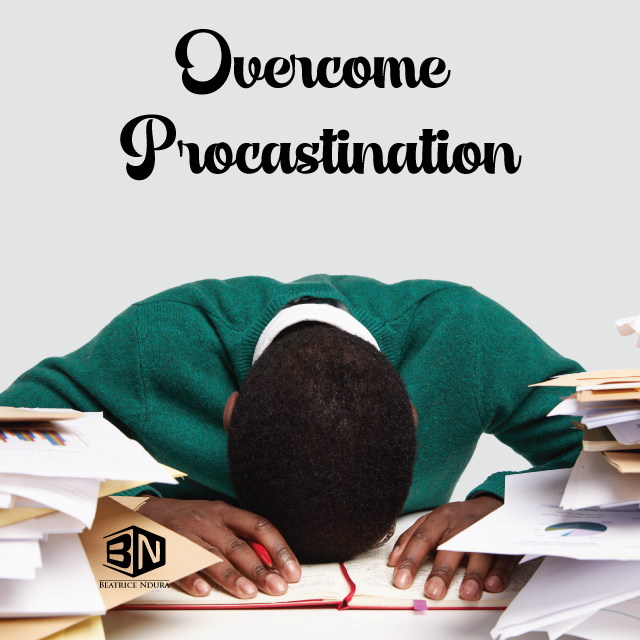
We are all aware of how difficult it is to overcome procrastination. If you are like most people, you have tried many things already but still feel stuck. No matter how hard you try, your productivity is not where it should be, and you keep putting things off. Missed deadlines, overdue bills, unhappy supervisors, poor grades, and persistent guilt become the routine, and you wonder why nothing seems to change.
What many people don’t realize is that procrastination is often driven by anxiety. Understanding that link is the first step toward breaking the cycle.
Why anxiety leads to procrastination
Anxiety produces a powerful, immediate urge to escape unpleasant feelings. When you perceive a task as threatening because it could expose you to failure, criticism, uncomfortable effort, or even success, your brain seeks relief.
Avoiding the task produces short‑term relief from anxiety, and that relief is reinforcing: you are more likely to avoid the next time the same feeling arises. Over time, avoidance becomes the default response, and procrastination becomes a habitual pattern.
Common anxiety-related drivers:
– Fear of failure: “If I don’t try, I can say it wasn’t my best.”
– Fear of success: worries about increased expectations or visibility.
– Perfectionism: tasks feel too risky because they might not be flawless.
– Uncertainty and overwhelm: large tasks trigger paralysis.
Recognizing the pattern helps you change it. Below are practical, evidence‑based strategies to remove the chain of anxious avoidance and reclaim productive, balanced days.
A practical approach to overcoming anxious procrastination
1. Increase awareness
– Track moments of avoidance for one week (what triggered it, what you did instead, how you felt).
– Notice the physical signs of anxiety (heart rate, muscles tensing, restlessness) and the immediate thoughts that accompany them. Awareness is not blame, it’s information you can use to intervene.
2. Reframe the feeling
– Label the feeling: “I am feeling anxious about this email.” Naming reduces intensity and creates psychological distance.
– Remind yourself that anxiety is uncomfortable but not dangerous. The feeling will pass whether or not you avoid the task.
3. Use implementation intentions
Create simple “if-then” plans: if X happens, then I will do Y. Example:
– “If I open an email from my boss and feel anxiety, then I will spend five minutes clarifying what’s required and write the first sentence.”
These plans reduce decision friction and increase the likelihood of action.
4. Start smaller, use micro-steps
– Break tasks into the smallest possible actions. Instead of “finish report,” commit to “open the document and write one bullet point.”
– Apply the 2‑minute rule: if a task takes two minutes or less, do it now. If it’s longer, do a two‑minute initiation step.
5. Use graded exposure for bigger fears
– When anxiety is tied to a specific fear (e.g., presenting or submitting work), use gradual exposure. Begin with low‑stakes practice, then slowly progress to more challenging steps. Each successful exposure weakens the association between the task and the anxiety.
6. Timebox and use focused work intervals
– Timeboxing and the Pomodoro technique (25 minutes focused, 5 minutes break) reduce the intimidation of open-ended work. Short, deliberate work windows are easier to start and sustain.
– Schedule the most challenging tasks when your energy is highest.
7. Reduce perfectionism with “good‑enough” standards
– Define specific acceptance criteria before you start: what constitutes a completed draft or a functioning prototype?
– Use the concept of Minimum Viable Product (MVP): deliver something that achieves the essential purpose, then iterate.
8. Change the environment and remove friction to action
– Eliminate obvious distractions (turn off notifications, use site blockers, create a decluttered workspace).
– Make the cues for productive behavior salient (calendar reminders, pre-filled templates).
9. Build accountability and social supports
– Share commitments with a colleague, a friend, or an accountability partner. Regular check-ins create external motivation and reduce avoidance.
– Consider public commitments (e.g., a deadline shared with your team) to increase follow-through.
10. Practice compassionate self-talk
– Replace self-criticism with curiosity and kindness: “I’m struggling with anxiety about this task. What’s one small thing I can do to move forward?”
– Self-compassion reduces the shame loop that often fuels further avoidance.
11. Use cognitive tools when catastrophic thinking appears
– Identify automatic negative thoughts, test their accuracy, and generate balanced alternatives (decatastrophizing).
– Ask: What is the worst realistic outcome? How likely is it? What could I do if that happened? This diminishes exaggerated fears and makes action more approachable.
12. Celebrate progress and iterate
– Track completed micro-steps and acknowledge them. Small wins reinforce new habits.
– Review what worked and what didn’t weekly and adjust your plan.
When to seek professional help
If anxiety is persistent, overwhelming, or accompanied by avoidance across many areas of life, it may be time to consult a mental health professional. Cognitive‑behavioral therapy (CBT) and related treatments are highly effective for anxiety-driven procrastination. A clinician can offer tailored strategies such as exposure therapy, cognitive restructuring, and skill-building.
Putting a plan into action: a simple starter routine
1. Morning: identify one high-priority task and break it into three micro-steps.
2. Midday: use a 25-minute focused work block on the first micro-step. Reward yourself with a short break.
3. Afternoon: do a quick review. If avoidance appears, note triggers and plan a specific implementation intention for the next day.
4. Weekly: review progress, celebrate wins, and adjust standards to be realistic and value‑aligned.
Final thoughts
Procrastination is rarely a character flaw. More often, it’s a coping response to anxiety, a habit that once served a short-term purpose but now holds you back. The good news is that habits are malleable. By increasing awareness, changing how you respond to anxious feelings, and using practical behavioral and cognitive strategies, you can replace avoidance with effective action.
You don’t need willpower alone. You need clear plans, manageable steps, compassionate self-awareness, and the practice of small successes that rebuild confidence. Over time, you’ll reclaim your productivity and enjoy downtime without the weight of unfinished tasks hanging over you. If the struggle continues despite consistent effort, professional help can provide structured support and accelerate change.
Start with one micro-step today. Small, consistent actions break the loop of anxious avoidance and set you on a path to sustainable productivity and greater peace of mind.
Beatrice Ndura is a dedicated Mental Health Coach, insightful blogger, and the voice behind the Musings Podcast. She inspires individuals to cultivate their mental and spiritual health.
“The images used in this article are AI-generated, created using advanced algorithms to visually represent the content.”