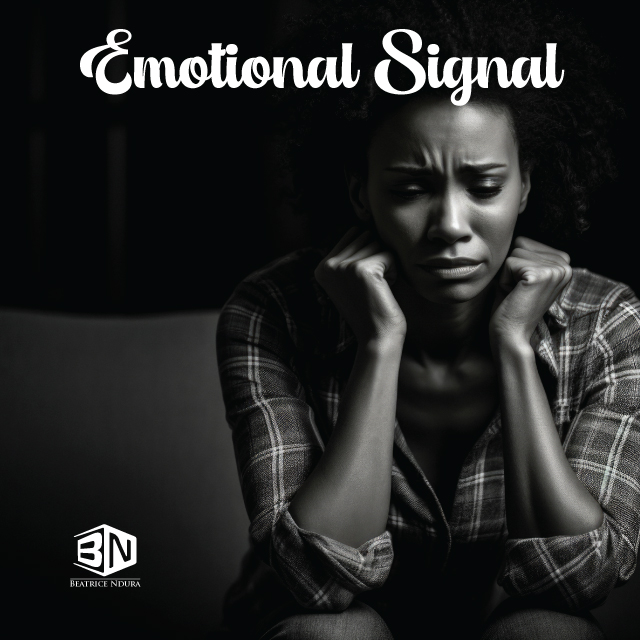
When emotions become overwhelming, such as rapid heartbeats, racing thoughts, or a sudden urge to shut down, it can be hard to think clearly or make constructive choices. Emotions act as signals; they indicate what matters, what threatens your sense of self, and what needs attention. Responding to them intentionally, rather than reacting impulsively or dismissing them, allows you to regain control, lessen suffering, and address the root causes.
This article provides practical guidance on what to do when emotions overwhelm you, how to understand their message, and how to change what you can while accepting what you cannot.
Immediate steps to stabilize intense emotions
When you feel flooded, your first goal is to reduce physiological arousal so you can think more clearly. Simple, evidence-based steps include:
– Pause and breathe. Slow, deliberate breathing activates the parasympathetic nervous system. Try 4–6 slow breaths: inhale for 4 seconds, hold for 1–2 seconds, exhale for 5–6 seconds.
– Ground yourself in the present. Use a 5-4-3-2-1 grounding exercise: name 5 things you see, 4 you can touch, 3 you can hear, 2 you can smell, 1 you can taste or imagine tasting.
– Lower tension with a quick body scan. Notice where you feel tightness, then consciously relax those muscles. Progressive muscle relaxation, clenching and releasing muscle groups, can help.
– Reduce stimulation. Step away from the triggering environment if possible. Dim the lights, play calming music at low volume, or find a quieter space.
– Use soothing self-talk. Speak to yourself as you would to a close friend: “This is intense right now. It will pass. I can handle this for a few minutes.”
Understand what your emotions communicate.
Once you are somewhat calmed, shift from reacting to listening. Emotions are informative: they point to values, unmet needs, past wounds, or current threats.
– Name the emotion. Labeling feelings (e.g., “I feel anxious,” “I’m really hurt”) reduces their intensity and increases clarity.
– Ask focused, compassionate questions: What happened that triggered this? What need or value of mine feels threatened or unmet? Is this reaction rooted in past experiences or the current situation?
– Differentiate between feelings, thoughts, and facts. Separate the raw emotion from the interpretations you’re making about what it means.
– Journal briefly. Writing for five to fifteen minutes about the emotion, the situation, and possible causes creates distance and often reveals patterns.
Embrace rather than invalidate your emotions
Invalidation—telling yourself you shouldn’t feel a certain way—tends to prolong distress and erode self-trust. Instead:
– Practice self-compassion. Use phrases like, “It makes sense I’d feel this way,” or “Anyone would be upset in my situation.”
– Allow the feeling without immediate judgment. Acceptance doesn’t mean liking the emotion; it means recognizing it as a temporary internal state.
– Track cycles. Notice how accepting emotions often shortens their duration and reduces the urge to escape or overreact.
Address stressors and reduce ongoing pressure
Chronic stress intensifies emotional reactivity. Identify and lessen avoidable stress in your life:
– Identify stress triggers. List situations, relationships, or responsibilities that consistently wear you down.
– Take practical steps to change what you can. This may include delegating tasks, setting clearer boundaries, adjusting expectations, saying no more often, or restructuring your schedule.
– Create small, manageable changes. Large life shifts can be daunting; start with one adjustment that provides measurable relief, e.g., 30 minutes of daily downtime, a weekly check-in with a supervisor, or reducing caffeine.
– Build daily routines that bolster resilience. Regular sleep, balanced nutrition, physical activity, and brief mindfulness practices strengthen emotional regulation.
Process and problem-solve strategically
Once calmer and understanding the underlying causes, decide whether you need emotion regulation, problem-solving, or both:
– Use problem-solving steps: define the problem clearly, brainstorm solutions, weigh pros and cons, choose a practical next step, and review results.
– Practice cognitive reappraisal. Reframe interpretations where appropriate, asking if a less catastrophic explanation fits the facts.
– Schedule time to process. If emotions are persistent but not urgent, set aside a specific time for reflection or journaling so feelings don’t intrude constantly.
Cultivate ongoing skills to build resilience against future overwhelm
Building emotional skills is preventive and empowering:
– Develop emotional literacy. Regularly name and track your feelings to notice patterns and early warning signs.
– Strengthen distress tolerance skills. Techniques such as paced breathing, mindfulness, brief distraction, taking a short walk, or capturing something beautiful in a photo help you tolerate difficult moments.
– Practice communication and boundary-setting. Learn to express needs clearly and assertively, and protect your energy by saying no when necessary.
– Build supportive relationships. Share what you’re comfortable with with trusted friends, family, or colleagues. Social support buffers stress and helps you feel understood.
When to seek professional help
If emotions are frequent, intense, or interfere with work, relationships, or daily life, professional support is advisable:
– Consider therapy if you struggle to identify patterns, if emotions stem from trauma, or if self-guided strategies aren’t enough.
– Seek immediate help if you have thoughts of harming yourself or others. Contact local emergency services or a crisis hotline.
Practical scripts and prompts to use in the moment
– Self-compassion prompt: “This is hard right now. I’m doing the best I can.”
– Grounding script: “I am safe in this moment. I can breathe. I can notice five things around me.”
– Reflective questions: “What exactly triggered this? What do I need right now; space, support, information, a plan?”
Conclusion
Emotions serve as informative signals, not problems to eliminate. When overwhelmed, prioritize immediate regulation, listen to what the emotion communicates, and respond with curiosity and self-compassion. Reduce chronic stress by changing what you can and accepting what you cannot. Over time, these practices build resilience: you’ll better tolerate difficult feelings, make thoughtful decisions, and act in line with your values.
If intense emotions persist or interfere with your life, seek help from a mental health professional. Effective support is available, and you don’t have to manage everything alone.
Beatrice Ndura is a dedicated Mental Health Coach, insightful blogger, and the voice behind the Musings Podcast. She inspires individuals to cultivate their mental and spiritual health!
“The images used in this article are AI-generated, created using advanced algorithms to visually represent the content.”