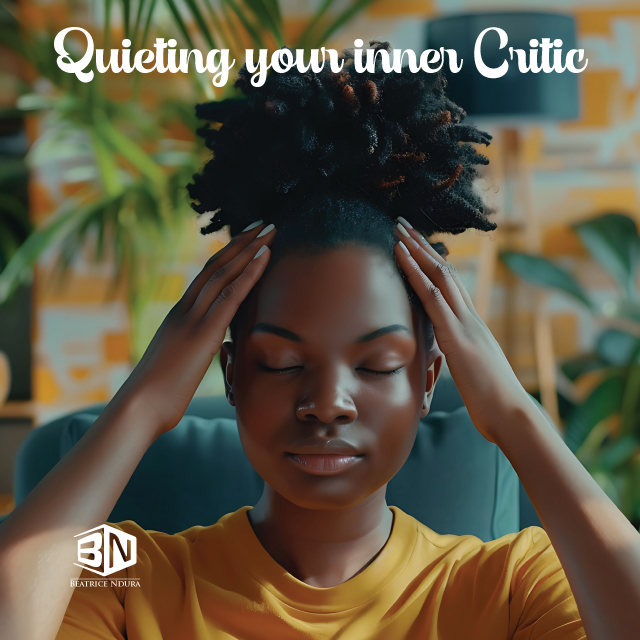
In the complex landscape of our minds, the inner critic is a universal voice that often echoes louder than any affirmation of self-worth. This voice can serve as a double-edged sword, offering both motivation and harsh judgment. While a certain degree of self-awareness is crucial for personal growth and improvement, allowing the inner critic to dominate our thoughts can lead to detrimental effects on mental health and overall well-being. The journey toward quieting this inner voice is not about erasing self-awareness but reconstructing self-judgment into self-tenderness.
UNDERSTANDING THE INNER CRITIC
The inner critic typically emerges from a combination of societal expectations, past experiences, and personal beliefs. Its intention is often misguided—seeking to protect you by pushing you to strive for better outcomes. Unfortunately, it frequently manifests in harsh, unrelenting self-judgment that can sap motivation, lead to anxiety, and result in feelings of inadequacy.
THE ROLE OF SELF-AWARENESS
Self-awareness involves recognizing and understanding your thoughts, emotions, and behaviors. It is the foundation for personal growth and development. However, when self-awareness transforms into an incessant loop of criticism, it can become counterproductive. The key is to strike a healthy balance, allowing self-awareness to guide you without falling prey to the negativity of your inner critic.
OBSERVING THE INNER CRITIC
The first step in quieting your inner critic is to observe it objectively. This means recognizing when it speaks and becoming aware of the content of its messages. Often, the inner critic communicates in a specific manner—using absolutes like “always” and “never,” or employing derogatory adjectives that can be damaging to self-esteem.
Active Observation Techniques
1. Journaling: Keeping a daily journal can help you articulate the thoughts that arise from your inner critic. By putting pen to paper, you create a space for reflection, allowing you to process these thoughts without immediate judgment.
2. Meditation and Mindfulness: Engaging in mindfulness practices can help you develop an observational stance toward your thoughts. Instead of identifying with your inner critic, you learn to observe it as a separate entity.
3. Dialogue Practice: Consider engaging in a dialogue with your inner critic. What is it saying? Why does it feel the need to express those thoughts? By exploring these questions, you can gain insights into your motivations and fears.
Challenging Negative Thoughts
Once you have become more aware of your inner critic, the next step is to challenge the negative thoughts it generates. This involves scrutinizing the validity of these beliefs and reframing them into more constructive narratives.
Techniques for Challenging Negative Thoughts
1. Evidence Gathering: When your inner critic asserts something negative—such as “I am not good enough”—make a conscious effort to gather evidence against that claim. Reflect on past achievements, positive feedback, and moments when you overcame difficulties.
2. Reframing: Transform negative thoughts into positive affirmations. Instead of “I will fail at this,” try “I have the skills to tackle this challenge.” Reframing empowers you and sets a more productive tone for your thoughts.
3. Reality Check: Consider whether your inner critic’s statements align with reality. Oftentimes, the criticisms we hear are exaggerated or unfounded. Questioning the validity of these assertions can diminish their power.
4. Seek External Validation: Sometimes, gaining perspective from trusted colleagues, friends, or mentors can provide the necessary feedback to counter your inner critic. They may see strengths in you that you overlook.
Transforming Self-Judgment into Self-Tenderness
The ultimate goal is not to eliminate the inner critic but to transform how you engage with it. Self-tenderness is a concept that promotes kindness toward oneself, fostering an environment where growth can thrive without the burden of harsh judgment.
Cultivating Self-Tenderness
1. Practice Self-Compassion: According to researcher Kristin Neff, self-compassion involves treating yourself with kindness, recognizing that everyone struggles, and maintaining a balanced perspective in the face of setbacks. Self-compassion can serve as a counterbalance to the harshness of the inner critic, providing a nurturing space for growth.
2. Positive Affirmations: Create a set of positive affirmations that resonate with you. When your inner critic begins to speak up, consciously replace its messages with these affirmations. Remind yourself of your worth and capabilities.
3. Nurturing Visualizations: Employ visualizations to create a mental space where you can thrive. Imagine offering kindness and support to yourself as you would to a loved one facing a challenge.
4. Gratitude Practices: Developing a gratitude practice can shift your focus away from self-criticism toward appreciation for what you contribute and achieve, no matter how small.
The Path Forward
In a world filled with expectations and pressures, learning to quiet your inner critic is a vital skill. By observing its voice, challenging negative thoughts, and transforming self-judgment into self-tenderness, you can create a healthier inner narrative. This transformation is particularly relevant in professional settings where performance and competition often heighten anxiety and self-doubt.
By fostering an environment of self-compassion, you not only enhance your own mental well-being but also cultivate a positive atmosphere for those around you. Ultimately, the goal is to navigate life with a sense of resilience, allowing self-awareness to guide your development while mitigating the unnecessary burdens imposed by a critical inner voice. The journey toward quieting your inner critic may not happen overnight, but with practice and intention, it is a worthwhile pursuit that can lead to profound personal transformation.
In closing, remember that your inner narrative plays a significant role in shaping your reality. Choose to nurture self-tenderness alongside self-awareness, and watch as your perspective shifts toward a more fulfilling and empowered existence.
Beatrice Ndura is a dedicated Mental Health Coach, insightful blogger, and the voice behind the Musings Podcast. She inspires individuals to cultivate their mental and spiritual health!
“The images used in this article are AI-generated, created using advanced algorithms to visually represent the content.”