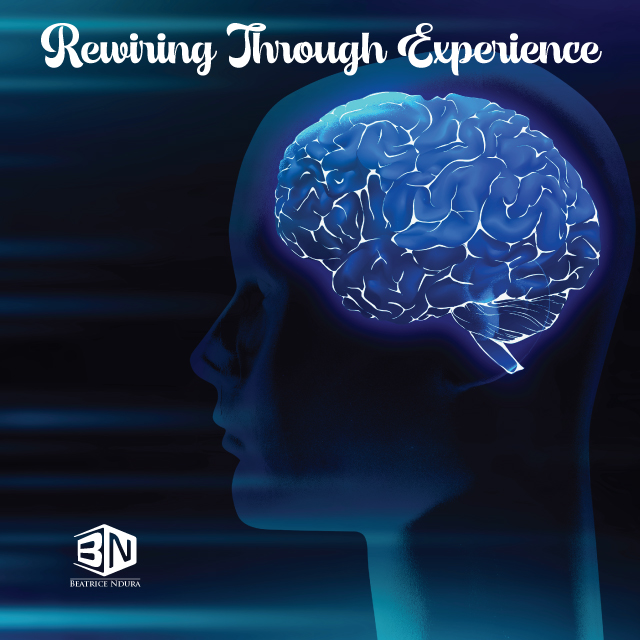
The brain you are born with is not the brain you will die with. This simple yet profound truth underscores a fundamental concept in neuroscience: your brain is a dynamic organ, constantly evolving in response to your experiences, thoughts, and behaviors. While genes provide a foundational blueprint comprising potential strengths and vulnerabilities, they are not the architects of your emotional and cognitive landscape. Instead, your mindset and daily practices play a pivotal role in shaping who you are.
Neuroplasticity is the term used to describe the brain’s remarkable ability to change and adapt throughout life. This process allows for the birth of new brain cells (neurogenesis) and the reconstruction of neural pathways based on your experiences. When you engage in new activities or consciously change your thoughts and behaviors, your brain forms new connections, effectively rewiring itself. Ultimately, what you repeatedly think and do sets the stage for how your brain operates.
Contrary to a deterministic view of behavior, which suggests that our actions are rigidly defined by our genetic makeup or early experiences, contemporary research indicates that behavior is far more malleable. For instance, if you train yourself to adopt a mindset of gratitude or mindfulness, you can cultivate an emotional resilience that transforms your approach to stress and adversity. Such consistent practice can lead to lasting changes in brain structure and function, fostering areas responsible for emotional regulation and cognitive flexibility.
Repetition is a key mechanism in this rewiring process. As you repeatedly engage in specific thoughts and behaviors, your brain strengthens the corresponding neural pathways, making them more efficient over time. This phenomenon is why habits—both good and bad—are formed. By consciously choosing to practice new behaviors, such as meditation, positive affirmations, or stress-reduction techniques, you can modulate the activity levels of specific brain regions, redistributing balance where it is needed most.
For individuals who find themselves struggling with anxiety, depression, or other emotional imbalances, the wonderful news is that you can actively work to rewire your brain. Techniques like cognitive-behavioral therapy, mindfulness practices, and even physical exercise have been shown to promote neuroplasticity and brain health. By integrating these practices into your daily routine, you can gradually shift your thought patterns and emotional responses, leading to a more focused and calm state of mind.
In conclusion, the brain is not a static entity but rather a remarkable organ capable of transformation. By recognizing that your experiences, thoughts, and behaviors can and do modify your brain, you empower yourself with the ability to shape your own mental landscape. Through mindful repetition and intentional practices, you can create lasting changes that promote well-being and resilience. Embrace the power of neuroplasticity, and take an active role in the ongoing evolution of your mind.
Beatrice Ndura is a dedicated Mental Health Coach, insightful blogger, and the voice behind the Musings Podcast. She inspires individuals to cultivate their mental and spiritual health!
“The images used in this article are AI-generated, created using advanced algorithms to visually represent the content.”