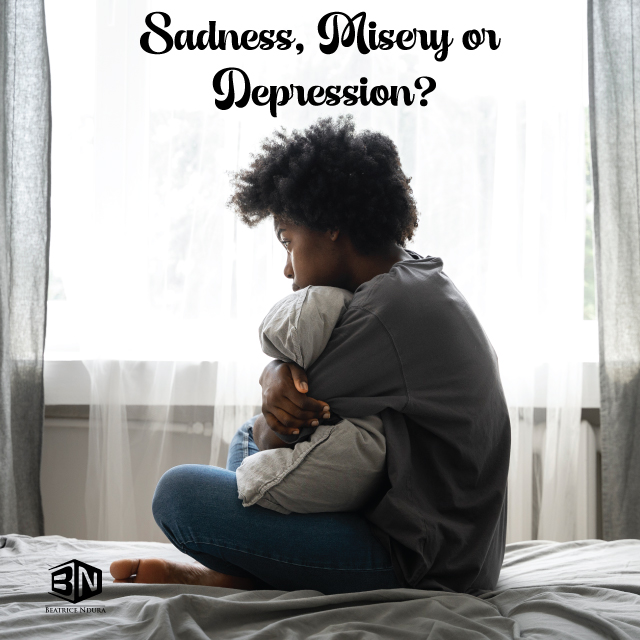
The human experience is a tapestry woven with a range of emotions, including joy, sorrow, and everything in between. While sadness and misery are common responses to life’s challenges, they are distinct from clinical depression, an experience that can profoundly affect one’s well-being.
Sadness is a natural emotional response to setbacks, loss, or difficult situations. It is temporary and typically resolves as individuals process their feelings, often with the support of friends and family. Healthy coping mechanisms allow people to eventually reconcile their experiences and regain their emotional equilibrium. This transient sadness can lead to personal growth and a deeper appreciation for life’s joys.
In contrast, depression is a more pervasive condition characterized by prolonged feelings of hopelessness, isolation, and despair that can last for months or longer. Unlike regular sadness, depression impairs daily functioning and often requires professional intervention. Those suffering from depression may withdraw from social interactions, struggle with self-care, and find it difficult to regain hope.
Understanding these emotional states is crucial. While it’s unrealistic to expect life to be devoid of sadness or misery, recognizing when these feelings evolve into something more serious is essential for mental health. Embracing healthy coping strategies and seeking support can foster resilience and ultimately amplify life’s blessings.
Beatrice Ndura is a dedicated Mental Health Coach, insightful blogger, and the voice behind the Musings Podcast. She inspires individuals to cultivate their mental and spiritual health!
“The images used in this article are AI-generated, created using advanced algorithms to visually represent the content.”